

round led bathroom mirror 500mm
Understanding the Price Range and Value of 25mm Micrometers Micrometers are precision measuring tools commonly used in various fields, including engineering, manufacturing, and science. These instruments enable users to measure small dimensions with high accuracy, often down to a thousandth of a millimeter. Among the various types of micrometers available, the 25mm micrometer is particularly noteworthy for its compact size and versatility. In this article, we will explore the pricing of 25mm micrometers, the factors affecting their costs, and their value in different applications. What is a 25mm Micrometer? A micrometer typically consists of a calibrated screw, a frame, an anvil, and a spindle, which allows for precise measurements of length. The 25mm micrometer, specifically, is designed to measure external dimensions in the range of 0 to 25mm. Its small measuring range makes it ideal for applications where precision is critical, such as measuring the thickness of thin materials or the diameter of small components like wires and pins. Price Range for 25mm Micrometers The price of 25mm micrometers can vary significantly based on factors such as brand, material quality, type of micrometer, and additional features . Typically, the prices can range from about $20 to $200 or more. 1. Entry-Level Micrometers These are usually made from less expensive materials like plastic or lower-grade metals, and they are often suitable for light-duty applications. Prices for such micrometers can be around $20 to $50. While they may not provide the level of precision required for professional or industrial purposes, they can be adequate for hobbyists or educational use. 2. Mid-Range Micrometers In the price range of $50 to $100, you'll find micrometers made from higher-quality materials, such as hardened steel. These tools often offer better accuracy and are used in more demanding applications, such as in workshops, machining, or engineering settings. Mid-range models may also feature additional functionalities, such as locking mechanisms and ratchet stops for improved measurement consistency. 3. High-End Micrometers Prices for premium micrometers can start at around $100 and go beyond $200. These are typically made of high-grade materials and are designed for high-precision tasks. These micrometers might offer advanced features, such as digital readouts, data logging capabilities, and more robust designs to withstand harsh working conditions. They are often used in aerospace, automotive, and other critical industries where precision is non-negotiable. micrometer 0 25mm price Factors Affecting Micrometer Prices Several factors influence the pricing of 25mm micrometers - Material Quality Higher-quality materials typically increase the cost of the product. Stainless steel and carbide are common materials that offer better durability and precision. - Brand Reputation Well-known brands often charge more for their products due to their reputation for quality and customer service. Investing in a respected brand can sometimes guarantee more reliable performance. - Precision and Calibration Micrometers with higher precision ratings and those that come calibrated will generally be more costly. Calibrated micrometers ensure consistent and accurate measurements, which is critical in quality control applications. - Additional Features Micrometers with digital displays, interchangeable anvils, or improved ergonomics tend to be priced higher due to the added functionality and technology incorporated into the design. Conclusion The Value of Investing in a Quality Micrometer The cost of a 25mm micrometer reflects its quality, precision, and reliability. Whether for professional use or personal projects, it is essential to consider the specific needs and requirements of the task at hand when choosing a micrometer. While it may be tempting to opt for a budget model, investing in a higher-quality micrometer can pay off in terms of accuracy, durability, and overall performance. Precision measurement is crucial in many applications, and having the right tools is integral to achieving the desired outcomes.
about
round led bathroom mirror 500mm
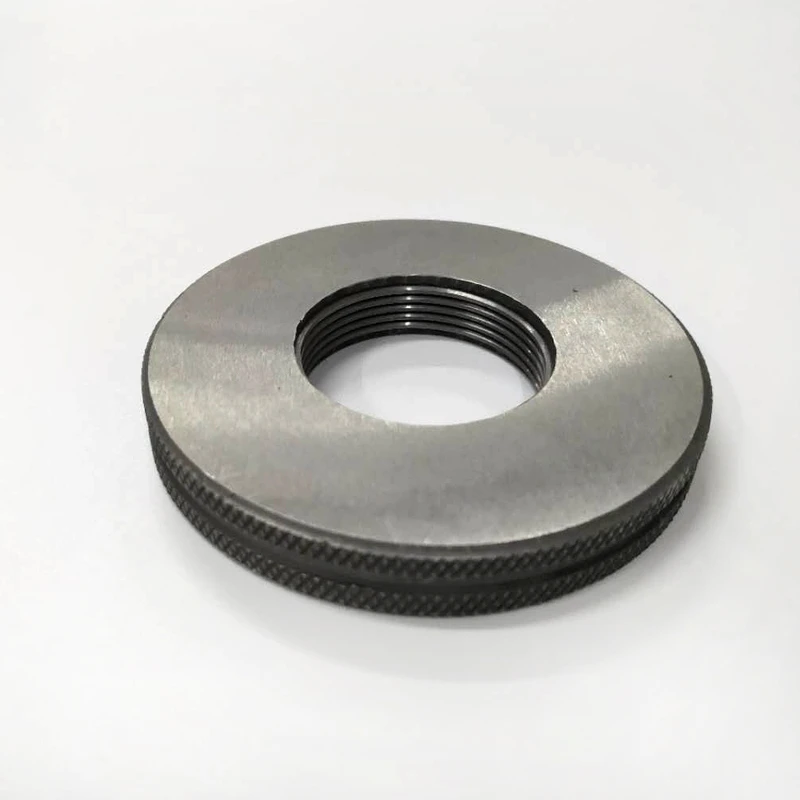
Understanding Thread Plug Gauges According to JIS Standards Thread plug gauges are essential tools in manufacturing and quality control, especially when it comes to gauging the internal dimensions of threaded holes. In Japan, the Japan Industrial Standards (JIS) set forth specifications that govern the design, use, and verification of these gauges. Understanding the JIS standards for thread plug gauges is crucial for engineers, quality control inspectors, and manufacturers alike, ensuring precision in threaded components. What are Thread Plug Gauges? Thread plug gauges are precision instruments used to check the correctness of the thread profile and size in a tapped hole. They come in two varieties go gauges and no-go gauges. The go gauge is designed to fit into the threaded hole, confirming that the hole is not undersized. Conversely, the no-go gauge ensures that the hole is not oversized. By using both gauges, one can ascertain whether the threaded hole meets the required specifications. Importance of JIS Standards The JIS standards on thread plug gauges serve multiple purposes 1. Uniformity Standards ensure that gauges produced by various manufacturers are consistent in terms of size, shape, and tolerance. This uniformity is essential for ensuring compatibility among various components produced by different companies. 2. Quality Assurance The implementation of JIS standards helps in maintaining high quality in manufacturing processes. It reduces defects and enhances the reliability of threaded components, which is critical in industries such as automotive and aerospace. 3. Global Acceptance JIS standards are recognized internationally, providing a common ground for manufacturers and inspectors, especially in global supply chains. Adhering to these standards can facilitate international trade and collaboration. Specifications of JIS Thread Plug Gauges JIS thread plug gauges are defined under various categories, each corresponding to a specific thread type and size. The primary specifications include 1. Thread Profile JIS defines various thread profiles including metric threads, unified threads, and others . Each profile has its unique dimensions and tolerances that must be adhered to. thread plug gauge jis standard 2. Material The gauges are typically made from high-quality tool steel or carbide to withstand wear and tear over time, ensuring long-lasting accuracy. 3. Tolerances JIS specifies acceptable tolerances for both the go and no-go gauges. These tolerances are critical in determining whether a threaded hole is within the acceptable range for functional and safety requirements. 4. Marking and Identification JIS standards emphasize proper marking on the gauges to indicate the thread type and size, along with tolerance levels. This ensures that users can easily identify the appropriate gauge for a specific application. 5. Calibration Regular calibration of thread plug gauges against master gauges is mandated by JIS to ensure ongoing accuracy over time. This is particularly critical in high-precision industries. Application of Thread Plug Gauges In practical applications, thread plug gauges are used extensively in various fields, including - Automotive Manufacturing Ensuring that engine components fit together accurately through precise threaded connections. - Aerospace Meeting stringent safety and reliability requirements necessitates high accuracy in threaded connections on aircraft parts. - General Engineering Used in any assembly line where threaded components are involved, ensuring that products meet specifications before they are passed on to the next phase of production. Conclusion In conclusion, the significance of thread plug gauges and their adherence to JIS standards cannot be overstated. These gauges not only ensure the integrity and functionality of threaded components but also facilitate uniformity and quality assurance across the manufacturing sector. Understanding and adhering to these standards is essential for manufacturers and quality control inspectors to maintain competitiveness and reliability in their products. As industries continue to evolve, the role of precision tools like thread plug gauges will undoubtedly remain pivotal in ensuring operational excellence and safety.
-

High quality industrial productsagement

High quality industrial products
View Details -

Meet the diverse needs of customers

Meet the diverse needs of customers
View Details -

Strict quality control

Strict quality control
View Details -

Top raw materials

Top raw materials
View Details -

Trusted supplier

Trusted supplier
View Details
Our application

news and information

vibration damping pads for heavy machinery
Vibration Damping Pads for Heavy Machinery Enhancing Performance and Longevity In the world of heavy
Water Gate Valve Pricing Guide for Affordable Options and Quality Choices
water gate valve price
Using a Spirit Level for Accurate Measurements in Construction and DIY Projects
Understanding the Spirit Level A Essential Tool in Precision Measurement The spirit level, an instru
 English